Selecting the right color temperature for outdoor lighting fixtures is an needed determination that will considerably affect the aesthetics and functionality of your area. Whether illuminating a garden, developing ambiance for a patio, or modifying safeguard with pathway lights, knowledge how color temperature affects conception and mood can advisor you in making knowledgeable picks.
The Basics of Color Temperature
Color temperature is measured in Kelvin (K) and describes the hue of a specific faded resource. Lower Kelvin values (around 2700K to 3000K) produce heat white easy, when larger values (above 5000K) yield corporate event lighting cool or daytime-like faded. This big difference is primary when making plans outside spaces since it affects how colours seem and roofline lighting the entire atmosphere created with the aid of your lighting design.
Warm white gentle creates an inviting and relaxed atmosphere, most well known for residential places akin to gardens and patios. In distinction, cooler temperatures supply a greater clinical look, usally linked to business settings or safety programs. Understanding these nuances lets in householders and designers to tailor their lighting fixtures options established on intended uses.
The Impact of Different Color Temperatures
When wondering outside lighting fixtures solutions like path lighting fixtures, spotlights, floodlights, and decorative string lighting fixtures, it really is good to have an understanding of how various colour temperatures can grow to be the insight of your panorama. For occasion:
- Warm White (2700K - 3000K): This selection emits a cushy glow harking back to incandescent bulbs. It enhances typical colorings in gardens and creates a comfy environment for social gatherings on patios or decks. Neutral White (3500K - 4100K): A stability between hot and funky tones, impartial white light works properly for conventional outdoor use with no overpowering the existing hues of plant life and systems. It’s proper for parts requiring visibility without sacrificing heat. Cool White (5000K - 6500K): Often chanced on in commercial settings or used for safeguard applications, this vivid mild complements visibility but could wash out shades in a garden surroundings. It’s triumphant for illuminating driveways or pathways where safeguard is paramount.
Understanding those characteristics enables whilst defining certain zones inside outside environments. For illustration, applying hot white lighting alongside paths most excellent to seating components invitations guests right into a social area, when brighter cool lighting can expand safeguard alongside driveways or steps in which visibility is valuable.
Matching Color Temperature with Design Intent
When designing outside areas, think how every house would be used at nighttime and opt for shade temperatures accordingly. For instance:
Garden Lighting: Use hot white LED landscape lights to focus on plant life and plants with no changing their natural colorings. The cushy glow adds intensity to garden facets whereas growing an inviting setting.
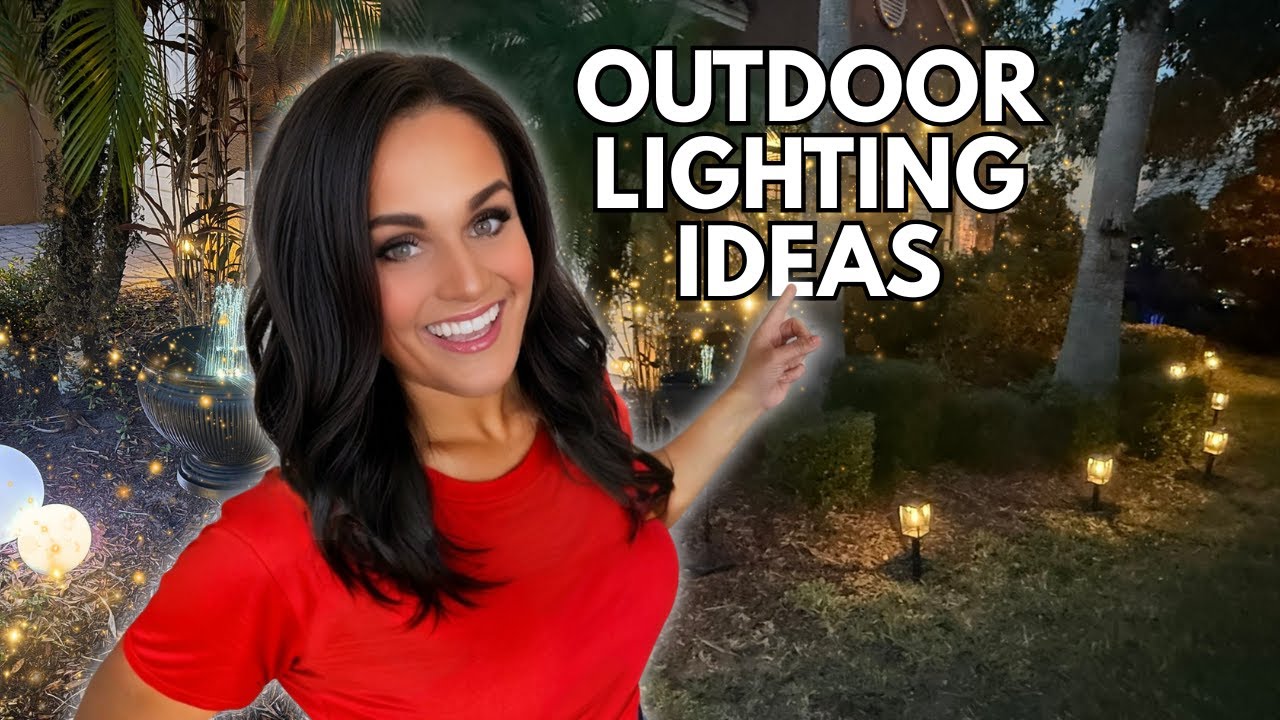
Patio Areas: Incorporating dimmable backyard lights allows for flexibility in mood placing—brighten them in the time of gatherings or melt them for intimate dinners underneath the stars.
Pathway Lighting: Opt for neutral white illumination on walkways to make certain safe practices at the same time as keeping aesthetic charm; this may lend a hand ward off distractions from landscaping facets.
Security Lighting: Employ cooler temperatures around access factors or darkish corners to adorn visibility and deter skill intruders effectually.
Decorative Lighting: When by using bistro lights or string lighting fixtures in social areas like terraces or backyards, hotter tones foster an inviting ambiance that encourages rest among guests.
By aligning shade temperatures with explicit capabilities inside your outdoors layout, you create cohesive reports that now not most effective boost elegance however also promote security and value.
Energy Efficiency Considerations
When settling on outdoor lighting fixtures strategies akin to low voltage LED alternate options or solar landscape lighting, vigour efficiency will become a growing number of marvelous alongside aesthetic issues. LEDs are well-recognized for their toughness—on the whole lasting up to 25 instances longer than traditional incandescent bulbs—and their capability to furnish really extensive potential discount rates over the years.
Moreover, many modern LED furnishings include adjustable coloration temperatures or maybe colour-altering expertise which let clients to adjust their outdoor environment in response to one of a kind occasions—remodeling a serene backyard into a brilliant celebration area in reality through converting the mild settings.

In addition to energy-competent furnishings, don't forget integrating clever panorama lights tactics featuring motion sensors or timer controls that optimize usage headquartered on occupancy styles—extra enhancing electricity potency even as offering comfort.
Real-World Applications
To illustrate functional functions of shade temperature alternatives in outdoors settings, do not forget two distinct case stories:
Residential Landscape Lighting
In one suburban dwelling house rework task targeted on bettering slash appeal by using landscape lighting, the owners opted for decent white low voltage LED furnishings along pathways most effective from driveway to entrance entrance. This selection no longer basically illuminated nontoxic passage yet additionally highlighted architectural particulars like stonework and ornamental shrubs in opposition t cushy shadows after sundown.
For added accentuation round trees close seating components tucked away within the backyard—a at ease oasis—hotter tones were certain for uplighting trees even as integrating bistro-genre string lights overhead produced an interesting night time atmosphere highest quality for summer season gatherings with guests.
Commercial Landscape Lighting
Conversely, in a industrial surroundings including a retail plaza aiming to create an inviting yet nontoxic buying experience after hours—the control carried out cooler white LED floodlights for the duration of parking a great deal paired with neutral white sconces around development entrances. This combo ensured satisfactory illumination phases advertising safety when drawing cognizance closer to save signage simply with out exterior lighting overwhelming shoppers upon arrival at nightfall.
Both examples underscore how thoughtful preference of shade temperature enhances usability along aesthetics irrespective of even if designing residential landscapes or commercial residences.
Conclusion
Choosing the correct colour temperature to your backyard lighting involves greater than definitely deciding upon what seems to be nice looking; it calls for understanding how diverse colorings have an effect on temper and belief within different areas. By thoughtfully identifying outstanding temperatures headquartered on the functionality of each domain—from hot whites that foster intimacy in gardens to cool whites that enhance protection—you may create dynamic environments tailor-made peculiarly on your needs at the same time maximizing power effectivity by leading-edge applied sciences achieveable immediately.
The interplay between aesthetics and practicality defines effective panorama lights design; investing time into making knowledgeable selections approximately coloration temperature eventually can pay dividends each visually and functionally inside any residential or commercial undertaking.